
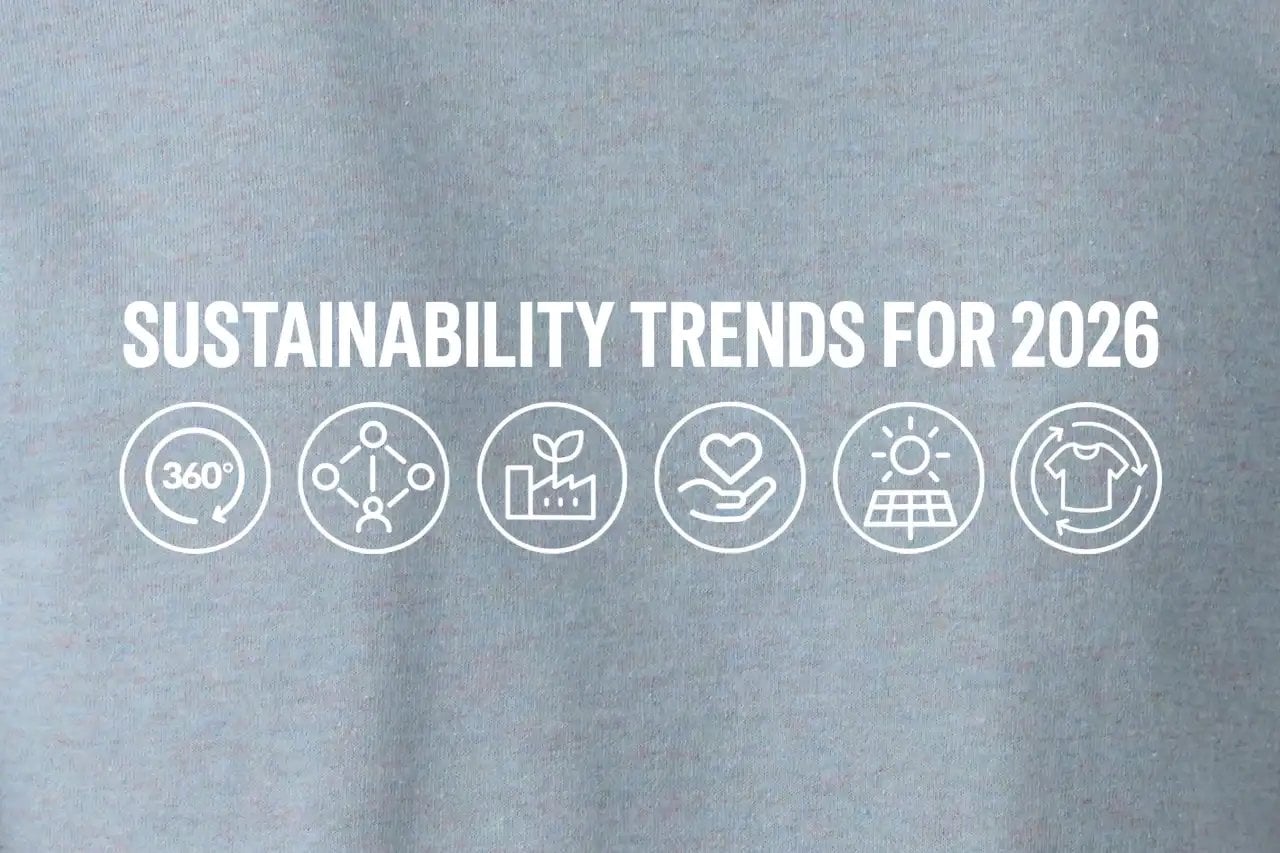
We know that sustainability isn’t just a trend– it’s a long-term commitment that defines a mindful approach to both living and business development. However, in the spirit of the new year and new (or renewed) commitments, we’ve highlighted a few practices that are important in shaping sustainability as we move into 2026.
Circularity and Circular Design
In 2026, circularity will continue to shape product development and product consumption. Circularity emphasizes designing low-waste products and maximizing their lifespan, shifting away from a traditional "take-make-dispose" model.
It involves utilizing materials and production methods that minimize pollution and prevent waste from ending up in landfills, while also establishing a way for these materials to be reintroduced into the supply chain at the end of their life (like Recover’s 360° Closed Loop Program). Circularity can also mean prolonging the lifespan of products at home through repair or reuse.
Traceability and Transparency
Emphasizing transparency is another key focus for sustainability in 2026. Continuing to share information about how and where products are made provides visibility into the production process, and, combined with certifications and verifications, builds credibility for responsible sourcing and manufacturing. Sharing this information allows consumers to make informed purchasing decisions about the impact of the products they purchase and the businesses they support.
You can view Recover’s 2024 Sustainability Report HERE (and stay tuned for our 2025 Sustainability Report releasing this February)!Staying Educated and Innovative
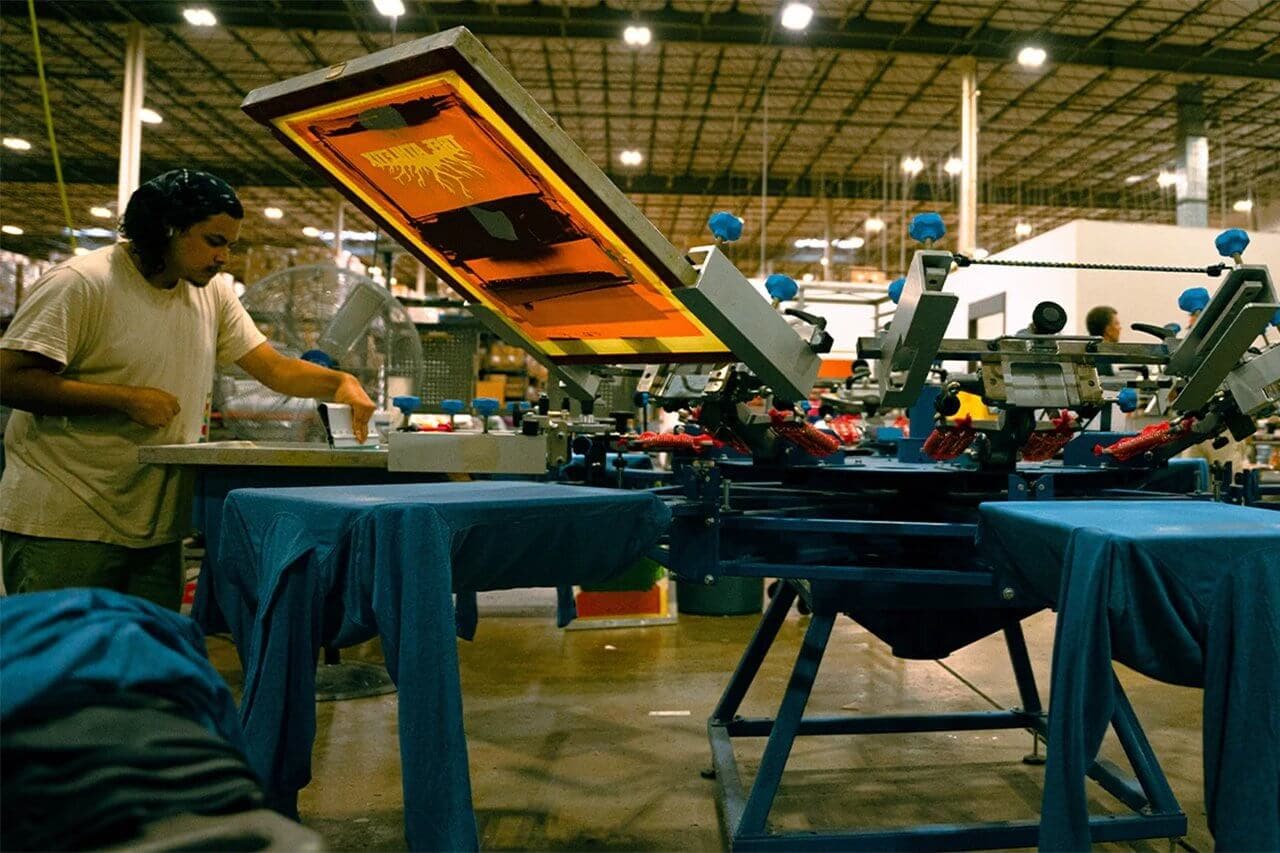
For both consumers and businesses, it is important to stay up-to-date on sustainability information and new developments. For Recover, this means continuing to work with our supply chain partner, Intradeco, in El Salvador to advance recycled fiber technology, as well as improve sustainable production practices like renewable energy and water recycling techniques. For consumers, this can mean understanding the impacts associated with products and recognizing greenwashing.
Enjoying the Outdoors
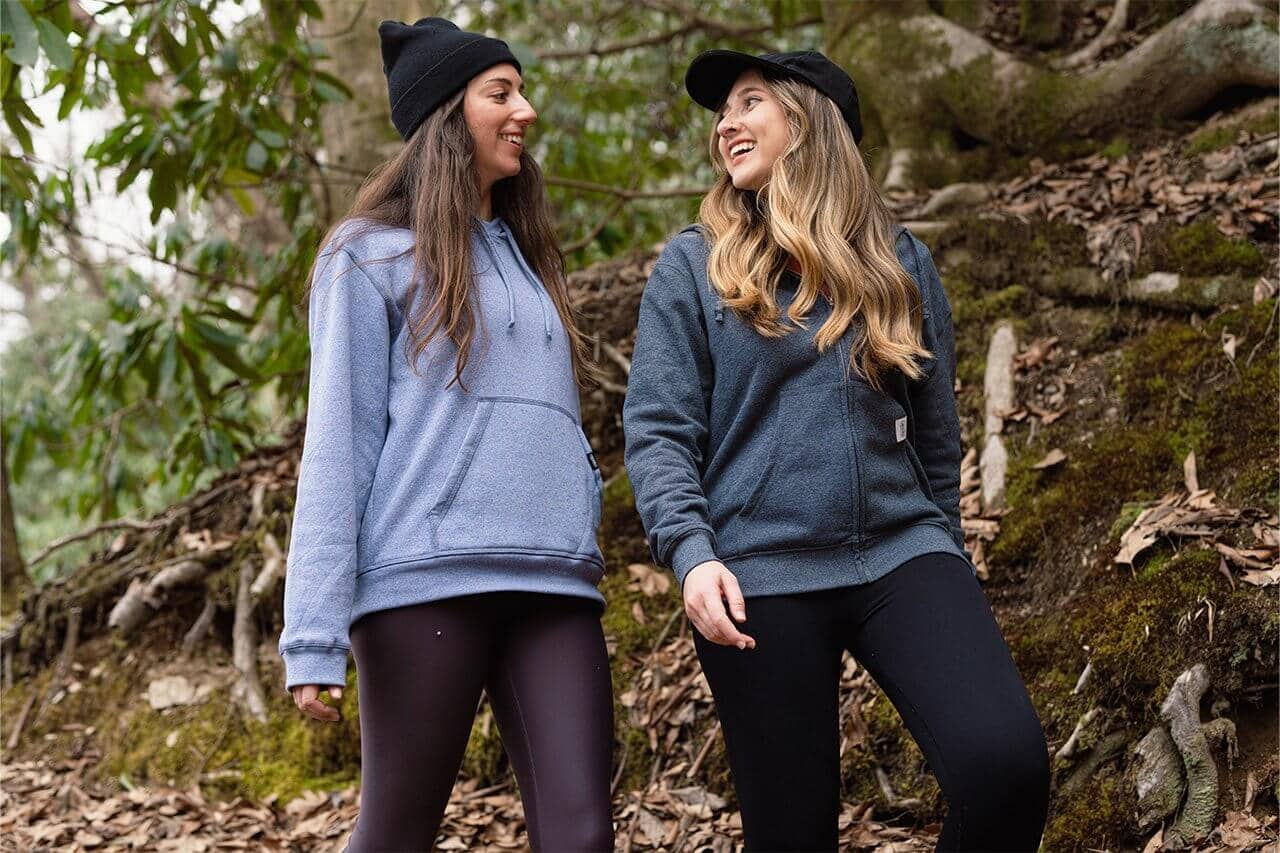
In 2026, utilizing our public lands and community green spaces is a way to continue to incorporate sustainable recreation into our lives. By visiting our parks using responsible recreation practices, we can foster an increased appreciation and awareness for their importance while simultaneously minimizing our environmental footprint and ensuring these lands remain protected for future generations.
Giveback
Giving back to organizations that work to protect our environment and communities is a continued commitment for 2026. Since 2010, Recover has proudly given back over $400K to local and national organizations working towards a cleaner, greener world for everyone. As an indicator of positive growth, we measure how much we are able to give back to our 1% For The Planet beneficiaries, and in 2026, we’re excited to make an even bigger impact!
Renewable Energy
As we continue to experience the effects of climate change and the depletion of non-renewable resources, the shift towards renewable energy is important for sustainable energy production and use. From implementing changes at home to large-scale renewable energy infrastructure, cleaner energy programs will be important in shaping 2026 sustainability.
In our El Salvador supply chain, 75% of energy consumption comes from solar panels and other renewable sources!Multi-Use Wardrobe Staples
Brands designing multi-use items with sustainability in mind allow consumers to opt for versatile staples that help to build a more eco-friendly wardrobe. Products like our RD4000 Sun Hoodie can double as a protective layer from the sun during summer and a warmer under layer during winter adventures, while our Impact Jacket is also designed to adapt to changing temperatures with features like the dual snap chest enclosure and stow-away hood.
As we move through 2026, these practices and developments remain important in strengthening our long-term sustainability commitments as well as inspiring our partners and customers to join us in supporting a more sustainable future!